

About Custom Rewards
Custom Rewards
For developers and admins building a custom reward system. CustomRewards supplies the catalogue, claim interface and reward delivery. Points must come from another plugin or an administrator; it does not award them automatically for voting, playtime or quests.
Looking for voting with rewards included? Get the Vote Reward pack →
Vote Reward includes VoteSystem, CustomRewards, player chat commands and a preconfigured starter catalogue. Add your provider tokens and adapt the rewards to your server.
Give players rewards they can work towards

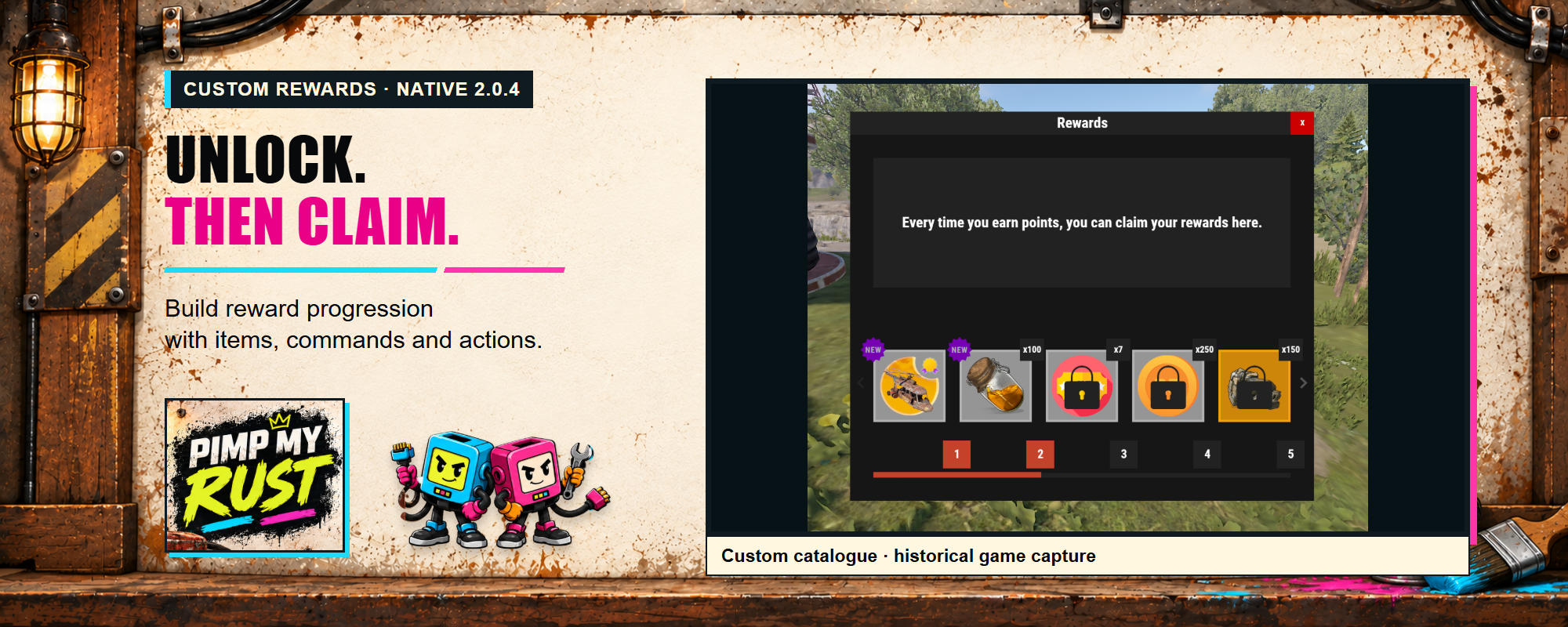
Build a catalogue of items, server-command rewards, permissions and group changes. Players can see which rewards are locked, ready to claim or already claimed.
Codefling download: CustomRewards 2.0.4, with its native reward interface. PimpMyCUI is not required.
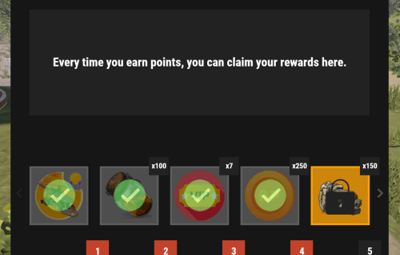
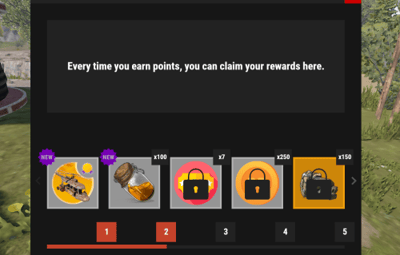
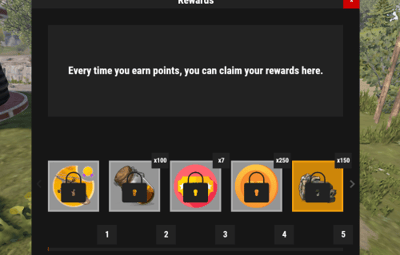
The native interface shown above is a historical game capture with example rewards, not the supplied starter catalogue.
Build your catalogue in the browser
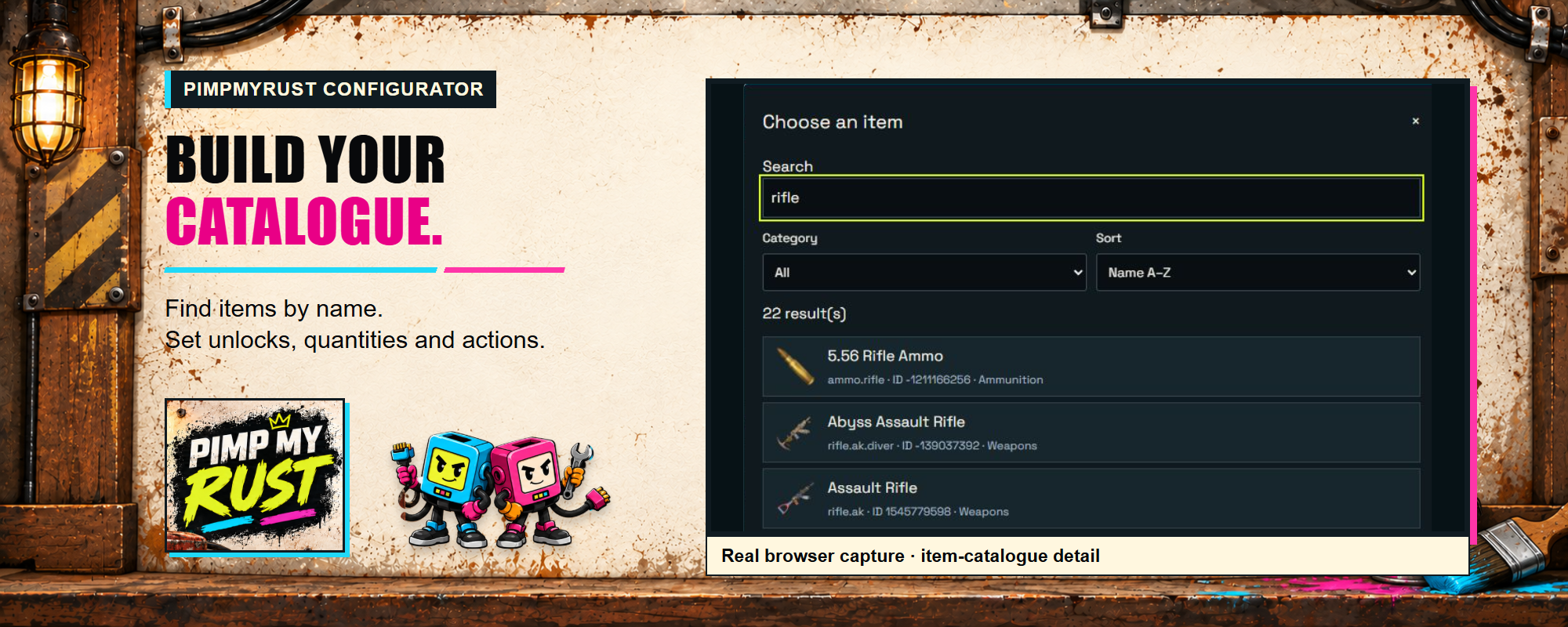
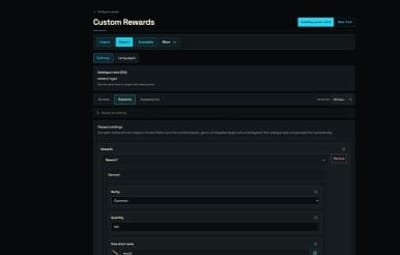
Choose items, quantities, commands and access rules in a form. Import an existing catalogue, edit its rewards and language files, then export the files for your server.
Configure Custom Rewards on PimpMyRust →
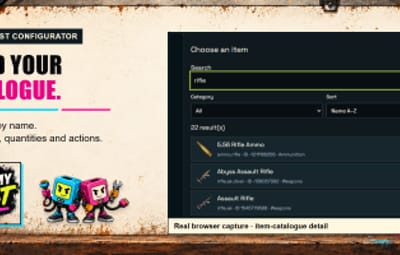
Search the item catalogue instead of looking up shortnames by hand. This is a browser capture of the normal edition's configurator.
Redesign the interface with the separate beta
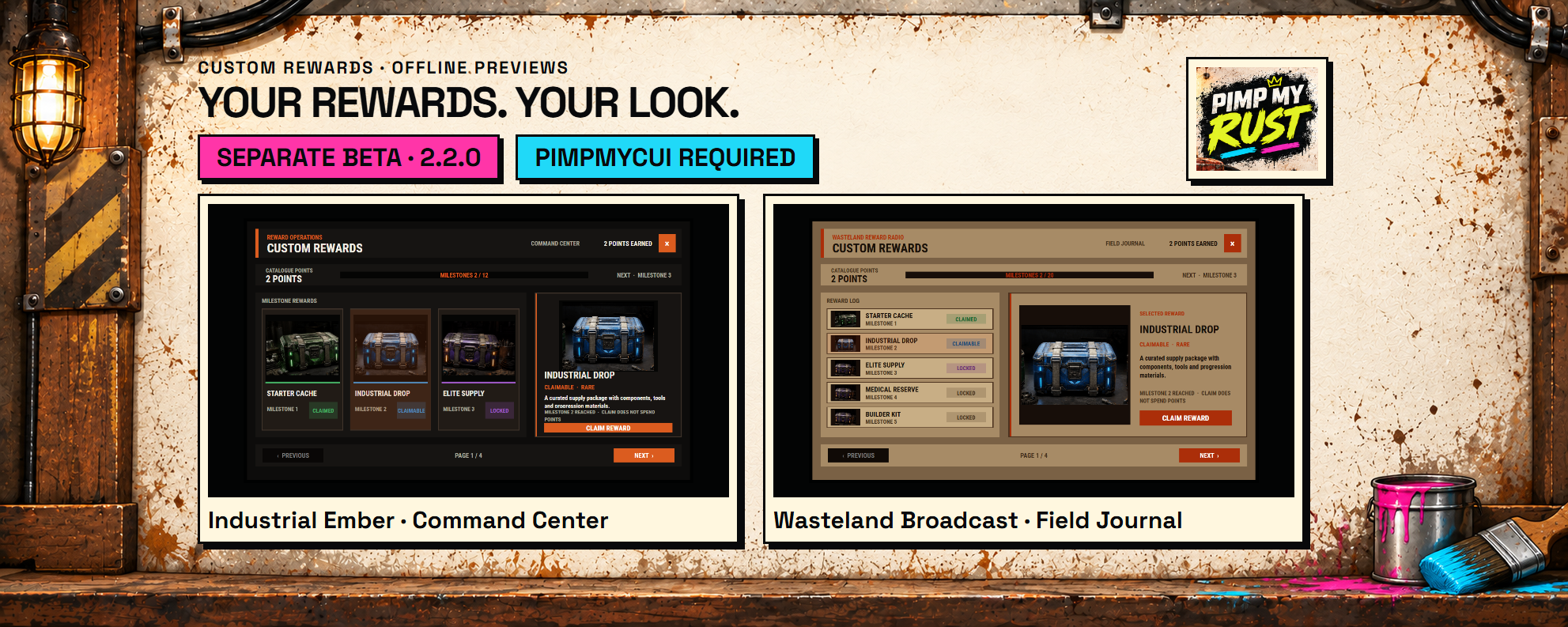
CustomRewards 2.2.0 beta is a separate download on PimpMyRust. Choose a PimpMyCUI-based layout, open it in the visual Editor and change its appearance without rewriting the reward system.
The beta preview uses sample reward data. It is not the native 2.0.4 interface included in this Codefling download.
Explore the CustomRewards beta →
Sign in to PimpMyRust, link your Codefling account and refresh your purchases. Beta access is for verified CustomRewards buyers. Install the free PimpMyCUI plugin separately; do not mix the normal and beta editions on one server.
Points unlock rewards in catalogue order
1 point unlocks the first reward, 2 points the second, and so on. Claiming an unlocked reward does not spend those points. Create a progression suited to your server, from starter supplies to rarer rewards.
VoteSystem is one supported point source. No other plugin is required for administrator grants. CustomRewards has no direct Economics integration; its catalogue points are not an Economics balance.
Choose what each reward does
- Separate catalogues: each reward type has its own JSON file, show commands and use permission.
- Reward actions: items, server commands, permission grants/removals and group additions/removals.
- Access rules: require or forbid specified permissions and groups.
- Appearance: Common, Rare, Epic and Legendary colours, custom images, page size and native interface colours.
- Claim states: distinguish locked, newly unlocked and already-claimed rewards.
The server checks eligibility again when a player claims. Test commands and external reward actions before opening a catalogue to players.
Install and open your first catalogue
-
Install
CustomRewards.csin the server's plugin directory. -
Loading creates
oxide/data/CustomRewards_rewards/example.jsonwhen no catalogue exists. Keep a new catalogue disabled while editing it. -
Create a catalogue in PimpMyRust, choose its name and export it to
oxide/data/CustomRewards_rewards/<Name>.json. - Set a unique chat command, review its reward actions, then enable the catalogue and reload.
-
Grant
customrewards.<name>.useto the players who should access it. Administrators can also open it.
The filename is the reward type used by integrations. For Starter.json, use the type Starter and permission customrewards.starter.use. Reward catalogues belong in the data folder, not oxide/config/.
Read the installation and reward guide →
Grant points from game chat
An administrator with customrewards.admin can grant points in game chat:
/customrewards_give Starter <player_name_or_id> 5
Replace the player argument with the intended player. This is a chat command, not a server-console command.
Configured server commands accept %steamid% for the player's ID. They can affect the server and must be edited only by trusted administrators.
Requirements and support
Rust with Oxide or Carbon. No required plugin dependency for the normal edition.
Back up oxide/data/CustomRewards_* before updating. For support, include the plugin/framework version, catalogue name and first relevant error. Keep private player data and credentials out of support uploads.
Codefling support · PimpMyRust Discord